
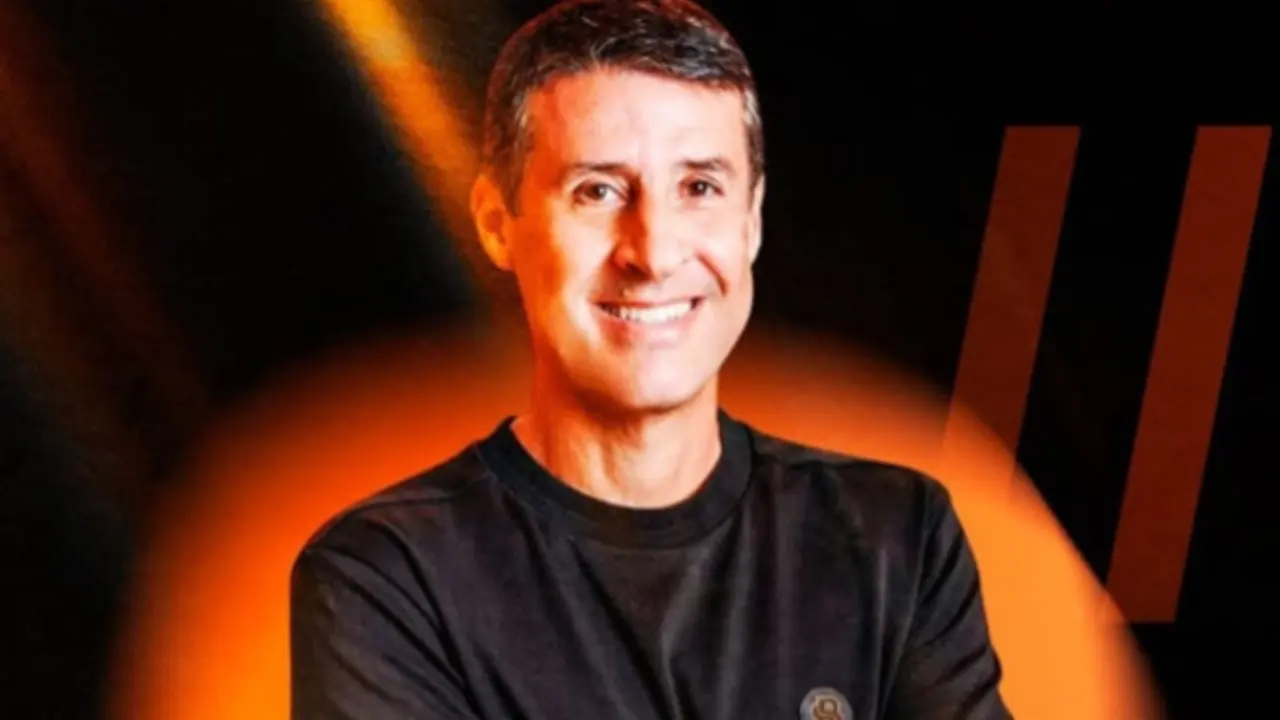
The football transfer market is often summarized in million-dollar figures and official announcements, but the reality behind each negotiation reveals a complex, strategic and, above all, long-term process. At the head of one of the most active companies in the sector, businessman Márcio Bittencourt — whose agency was the Brazilian agency that moved the most athletes and the tenth in the world in the early 2026 window, according to Transfermarkt — details the behind-the-scenes of a profession marked by global competition, planning and constant decision-making.
continues after advertising
➡️ It's already the World Cup: use Lance's simulator! and discover the champion
With more than 150 players under his tutelage, between youth and professional categories spread across different continents, Bittencourt began his career outside the four lines. A former member of the financial market, he had his first contacts with football when he managed the Clube do Zico account. From then on, in 1999, he decided to definitively migrate to athlete management. Since then, it has followed — and actively participated in — market transformations.
– In football, it is very difficult, because we need to prospect players, keep them as clients and then complete negotiations. It is a long process, which is not simple. It's not a supermarket sale. We are talking about an athlete who competes for space with dozens of other names, from different countries, with different profiles and values - he stated.
continues after advertising
More than intermediating transfers, the businessman emphasizes that the work involves building a career. According to him, it is essential to move away from the “product” logic when it comes to athletes.
– We disassociate this idea. We are dealing with the profession of a player. A recent example is Rayan, who managed to establish himself as a professional and transfer to English football. This type of decision involves many variables. It's a long process, it's not easy.
continues after advertising
He also highlights a structural change in Brazilian football, with more capitalized clubs and more complex negotiations:
– Before, it was quicker to sell players from big clubs. Today, values are higher, clubs are stronger financially and negotiations can take months or even years.
➡️ Follow Lance! on Google to find out everything about the best of Brazilian and world sport
In this scenario, markets considered “peripheral” gained prominence in career strategies. Countries like Japan, South Korea, China, Mexico and leagues like the MLS, in addition to the Arab world, have become recurring destinations.
– So, this peripheral market is very relevant today. We have no doubt that we are a Brazilian company that, perhaps even on the world stage, is among those that most represent athletes in Asia.
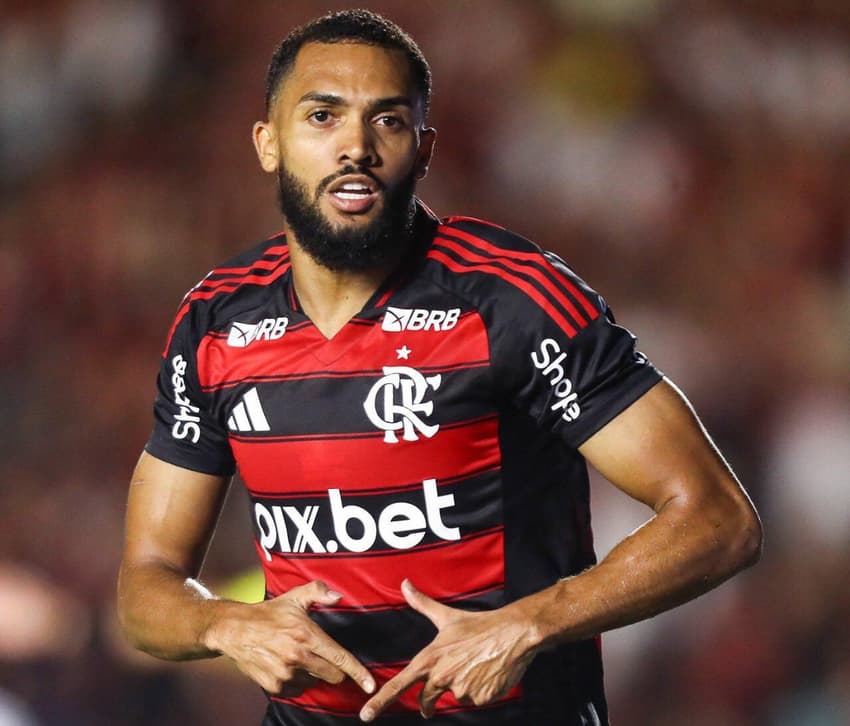
As an example, he cites the trajectory of Juninho, who left Portugal's second division, played for Qarabag, stood out in the Europa League — including against Bayer Leverkusen —, played in Brazilian football and went abroad.
– I have an athlete that I represent, Juninho, who played in the Second Division of Portugal. We negotiated his move to Qarabag, in Azerbaijan, and, for many people, that seemed like the end of his career. But it was the opposite. He had an excellent Europa League, reached the quarter-finals against Bayer Leverkusen, who ended up being the champion, and stood out in both games, scoring goals and catching the attention of several clubs. Afterwards, we were negotiating his transfer to Sevilla, when a proposal from Flamengo came up. We managed to close the deal, and he had a very successful season in Brazil, winning important titles. After that, it ended up being sold again and is now at Pumas. In other words, about three years ago, he was in the Portuguese Second League, and we managed to build a solid path from there. Of course, everything depends on performance on the field, but there was also strategic work off it. For me, Juninho's case exemplifies the relationship between player and agent very well.
The accumulated experience also led Bittencourt to be invited to the third edition of the International Symposium on Agents and Business in Football, which will be held in Miami during the 2026 World Cup. For him, the event represents an opportunity for exchange on the sport's biggest stage.
– I'm going to talk about agency and career. It's an important invitation, especially happening during the World Cup, when many football professionals will be gathered – he said.
Despite the coincidence with the World Cup, the businessman does not foresee significant changes in market behavior.
– The window remains normal. Japanese, Korean or Brazilian clubs don't stop because of the World Cup. What can happen is the emergence of players who stand out during the competition and open new doors. But, in general, the market continues to function according to the clubs' needs – he concluded.
Source: https://www.lance.com.br/futebol-nacional/empresario-brasileiro-que-negociou-mais-jogadores-em-2026-detalha-bastidores-do-mercado.html