
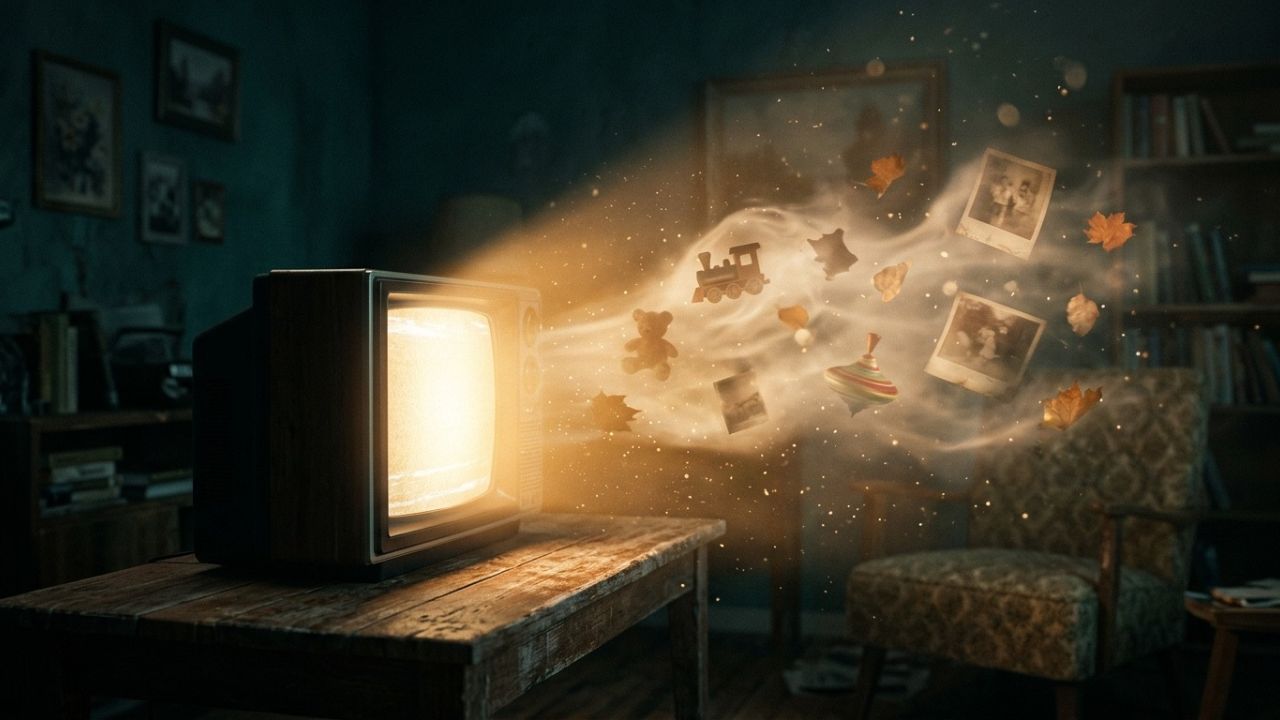
Humanity has long been haunted by ghosts of yesterday. Whether it is the crackle of a vinyl record playing a childhood lullaby, the distinct aroma of a grandmother’s kitchen on a rainy Sunday, or the pixelated graphics of an early 1990s video game console, nostalgia casts a long, alluring shadow over modern life. For centuries, this yearning for times gone by was viewed not as a poetic sentiment, but as a severe medical condition. Today, however, modern psychology and neuroscience reveal a startling truth: far from being a debilitating psychological trap, nostalgia is a vital emotional anchor, a psychological fortress, and a profoundly healing mechanism that makes the human experience not only bearable, but deeply meaningful.
📜 From Fatal Malady to Emotional Medicine
To understand the modern appreciation of nostalgia, one must first look back at how profoundly misunderstood it once was. The term itself was coined in 1688 by a Swiss medical student named Johannes Hofer. Combining the Greek words nostos (meaning return home) and algos (meaning pain), Hofer used “nostalgia” to describe the debilitating physical and psychological homesickness experienced by Swiss mercenaries fighting far away from their Alpine valleys in foreign lands.
During the seventeenth and eighteenth centuries, military physicians diagnosed nostalgia with grave seriousness. Soldiers suffering from the condition exhibited erratic symptoms, including high fevers, fainting, loss of appetite, and in severe cases, cardiac arrest and death. Medical treatments at the time ranged from leeches and opium to forced journeys back to the Swiss mountains. Back then, nostalgia was literally viewed as a fatal affliction—a literal longing to return home that could break the physical body.
It was not until the late twentieth century that researchers began to radically reframe this emotional phenomenon. Pioneering psychological studies led by researchers such as Dr. Constantine Sedikides at the University of Southampton transformed our understanding of the concept. Scientists discovered that nostalgia is not merely a symptom of depression or an inability to cope with the present. Instead, it is a universally experienced psychological resource—a complex, bittersweet emotion that predominantly triggers positive psychological benefits, reinforcing social bonds, boosting self-esteem, and counteracting existential dread.
🧠 The Neurological Symphony of Sweet and Sour
Why does looking back at old photographs or listening to tracks from your teenage years trigger such an intense, physical wave of emotion? The answer lies within the intricate architecture of the human brain. Nostalgia is fundamentally a bittersweet cocktail. It unites the sweetness of cherished memories with the poignant sorrow of knowing those moments can never be physically replicated.
When a nostalgic trigger activates—be it a sensory input like scent or sound, or a deliberate mental stroll down memory lane—several brain regions light up in synchrony. The hippocampus, the brain’s master archivist for autobiographical memory, retrieves the scene in vivid detail. Simultaneously, the amygdala, responsible for emotional processing, floods the system with the emotional resonance of that past moment.
Crucially, neuroimaging studies show that nostalgia activates the brain’s reward circuitry, including the ventral striatum and the dopaminergic pathway. This is the exact same neural network that responds to monetary rewards, delicious food, and falling in love. When you experience nostalgia, your brain releases a steady stream of dopamine, creating a natural sense of warmth, comfort, and reward.
At the same time, the prefrontal cortex attempts to balance this emotional surge, helping the mind process the inherent melancholy of temporal passage. This dual activation explains why nostalgia feels both uplifting and heart-wrenching. It is a neurological paradox: a gentle ache that heals rather than harms.
🛡️ The Psychological Shield Against Modern Stress
In an era defined by hyper-connectivity, relentless information overload, and economic uncertainty, people are experiencing record levels of loneliness, anxiety, and burnout. It is no coincidence that cultural consumption of vintage aesthetics, retro tech, and rebooted franchises has skyrocketed. Nostalgia serves as an evolutionary coping mechanism, acting as a psychological shield against the turbulence of modern existence.
Psychological research highlights several key functions that nostalgia performs to protect mental health:
- Fostering Social Connectedness: Humans are fundamentally tribal creatures, hardwired for belonging. Nostalgia frequently centers on shared experiences with friends and family members. When individuals feel isolated or disconnected, reminiscing about past gatherings or collective triumphs activates feelings of being loved, valued, and deeply bonded to others.
- Enhancing Self-Esteem and Identity Continuity: As time marches forward, people often struggle with changes in their social roles, physical appearance, or professional status. Nostalgia acts as a bridge across time, reminding individuals of who they were, what they have overcome, and the core values that have defined their journey. This historical continuity bolsters personal confidence and provides a stable sense of self.
- Mitigating Existential Dread: When confronted with the transient nature of life, mortality, or rapid societal shifts, people can experience existential anxiety. Nostalgia infuses life with a sense of meaning and narrative coherence. It reassures the mind that life has been rich, beautiful, and filled with moments of genuine significance, making the future feel less daunting.
Consider the economic parallel: just as individuals diversify their financial portfolios to guard against market crashes, people unconsciously build emotional portfolios rooted in past joys to buffer against current hardships. When daily life feels barren or stressful, withdrawing from the vault of nostalgic memories provides an immediate psychological dividend.
🛒 The Multi-Billion-Dollar Retro Revolution
Because nostalgia is such a powerful psychological driver, global industries have learned to weaponize and commercialize it with astonishing precision. Turn on a television, scroll through social media, or walk down a retail aisle, and you will immediately notice the pervasive fingerprints of retro marketing.
Hollywood has built entire box-office empires on sequels, prequels, reboots, and cinematic universes that leverage the intellectual property of the 1980s, 1990s, and early 2000s. Brands routinely resurrect discontinued products, repackage vintage logos, and launch limited-edition throwback campaigns because they understand a fundamental consumer truth: emotional resonance sells far better than sterile novelty.
During periods of economic downturn, this commercial trend intensifies exponentially. When consumers feel insecure about their financial futures, they naturally gravitate toward the cultural artifacts of their youth—a time when the world felt safer, simpler, and more predictable. Whether it is vinyl record sales surpassing compact discs, fashion houses reviving nineties streetwear, or tech companies releasing miniature versions of classic gaming consoles, the message is clear. We buy our past back because it offers a guaranteed emotional return on investment.
However, this commercialization introduces a fascinating cultural paradox. While authentic nostalgia is an organic, deeply personal reflection on one’s own lived history, modern consumer culture manufactures artificial nostalgia—often called “anemoia”—for eras people never actually lived through. Young generations romanticize the aesthetic, music, and vibe of decades they only know through digital archives, proving that the human hunger for a simpler past transcends personal chronology.
🧭 Navigating the Past Without Getting Stuck There
While nostalgia is a powerful psychological ally, like any potent medicine, dosage matters. Navigating the delicate balance between drawing strength from yesterday and engaging fully with today requires mindful awareness.
There is a distinct difference between functional nostalgia and regressive nostalgia. Functional nostalgia uses past memories as a springboard for future action. It looks back with gratitude, extracts lessons or comfort, and returns to the present with renewed energy and optimism. Regressive nostalgia, on the other hand, treats the past as a permanent hiding place. It manifests as a toxic conviction that the golden age of life is entirely behind you, rendering the present moment dull, uninspiring, and unworthy of effort.
When people become trapped in regressive nostalgia, they risk falling victim to a cognitive distortion known as the “golden age fallacy”—the erroneous belief that a different time period was inherently better in every way than the present. This mindset blinds individuals to current opportunities, stifles personal growth, and breeds a paralyzing resentment toward modern life.
The key to harnessing the power of nostalgia without falling into its traps is adopting the mindset of a gracious curator rather than an eternal prisoner. Honor your memories. Let them warm your heart, validate your struggles, and remind you of your resilience. But remember that your story is still being written. The best chapters of your life are not locked safely in the past; they are waiting to be lived in the hours and days yet to come.