
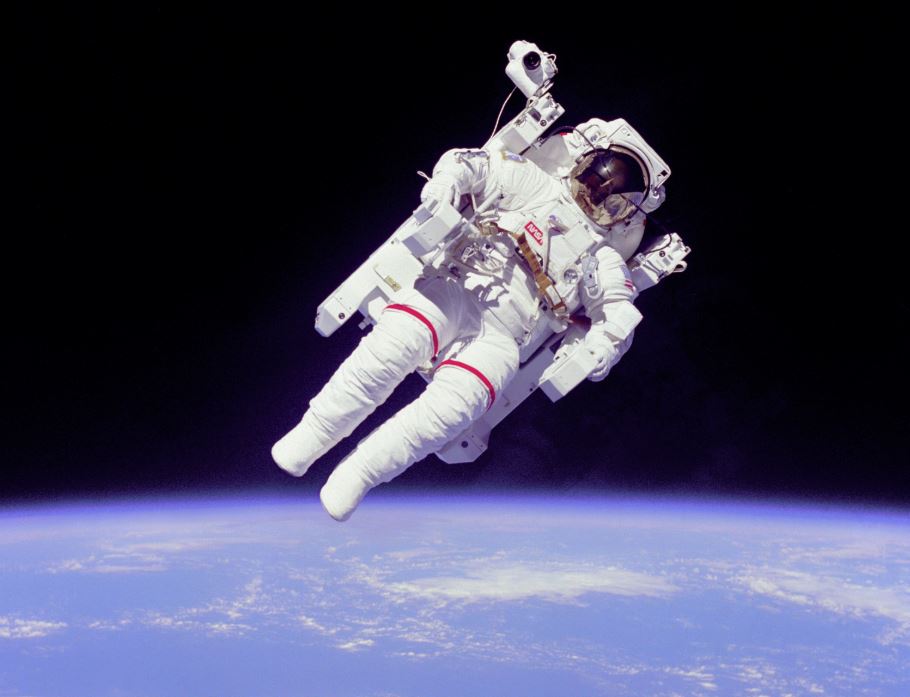
Spending a full year in space is no longer the stuff of science fiction. With long-duration missions aboard the International Space Station and serious plans for human exploration of Mars, scientists have gained unprecedented insight into how the human body responds to life beyond Earth. The results are as fascinating as they are concerning. A year in space triggers a cascade of physiological and psychological changes that affect nearly every system in the body.
This is not simply a matter of floating in microgravity and enjoying the view. The absence of gravity, exposure to cosmic radiation, confinement, and isolation combine to create one of the most extreme environments a human can endure. Understanding these effects is essential not only for astronauts but also for the future of long-term space travel.
Microgravity and the Loss of Physical Strength
On Earth, gravity constantly pulls on our bodies. Every step, every movement, and even standing still requires muscles and bones to work against that force. In space, this constant resistance disappears.
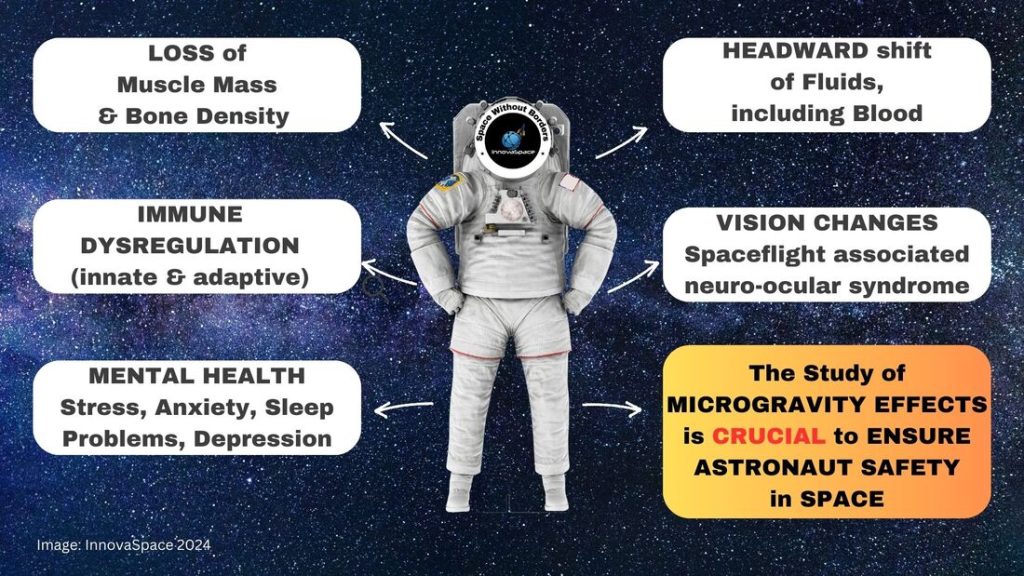
Within days of entering microgravity, muscles begin to weaken. The muscles most affected are those responsible for posture and movement, particularly in the legs and back. Without regular use, muscle fibers shrink, leading to noticeable atrophy. Even with rigorous daily exercise routines, astronauts can lose significant muscle mass over the course of a year.
Bone density also declines rapidly. Bones are living tissues that constantly remodel themselves based on stress. In microgravity, the lack of mechanical stress leads to bone resorption, where calcium is released into the bloodstream faster than it is replaced. Studies show astronauts can lose up to 1 percent of their bone density per month in space. Over a year, this becomes a serious concern, increasing the risk of fractures both in space and after returning to Earth.
Fluid Shifts and the “Puffy Face” Phenomenon
One of the most noticeable changes in space occurs almost immediately. On Earth, gravity pulls bodily fluids downward, concentrating them in the lower extremities. In space, fluids redistribute toward the upper body and head.
This shift causes astronauts to develop what is often described as a “puffy face” and “bird legs.” The face appears fuller due to increased fluid volume, while the legs become thinner. Beyond cosmetic changes, this redistribution affects the cardiovascular system and can lead to increased pressure inside the skull.
This pressure is linked to a condition known as Spaceflight-Associated Neuro-ocular Syndrome, which can impair vision. Some astronauts experience blurred vision that persists even after returning to Earth, raising concerns for long-duration missions.
The Cardiovascular System Under Stress
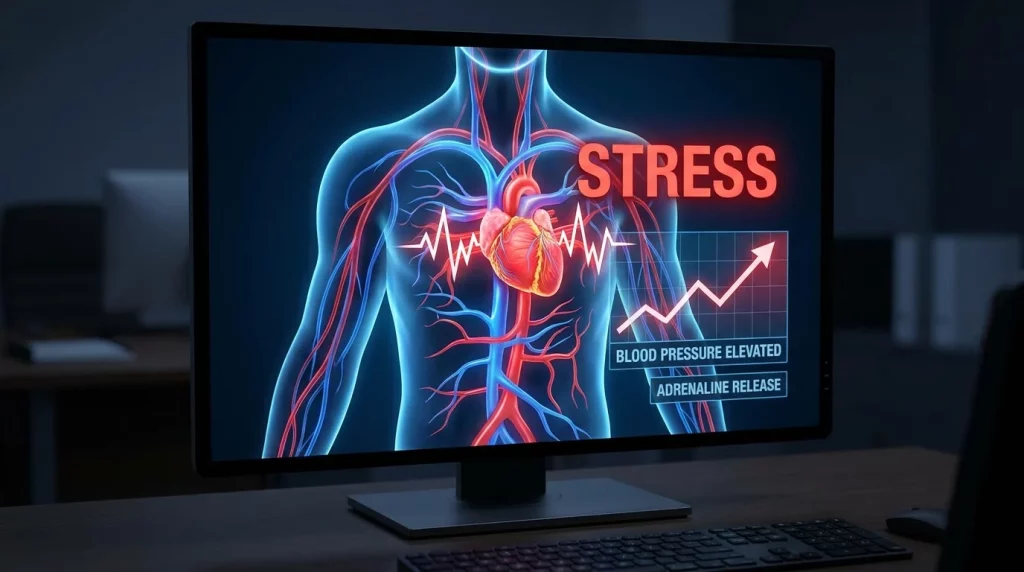
The heart does not escape the effects of microgravity. Without gravity pulling blood downward, the heart does not need to work as hard to circulate blood throughout the body. Over time, this reduced workload causes the heart muscle to shrink slightly.
This adaptation becomes problematic when astronauts return to Earth. The cardiovascular system must readjust to gravity, often resulting in orthostatic intolerance. This means astronauts may feel dizzy or faint when standing up because their bodies struggle to regulate blood pressure effectively.
Additionally, the increased calcium in the bloodstream from bone loss can contribute to the formation of kidney stones, adding another layer of risk.
Radiation Exposure and Its Long-Term Risks
Earth’s atmosphere and magnetic field protect us from most cosmic radiation. In space, especially beyond low Earth orbit, this protection is significantly reduced. Over a year, astronauts are exposed to much higher levels of radiation than they would experience on Earth.
This exposure increases the risk of cancer, damages DNA, and may contribute to degenerative diseases. It can also affect the central nervous system, potentially impairing cognitive function and increasing the risk of neurological disorders.
Radiation remains one of the biggest obstacles to deep space travel. A mission to Mars, for example, would expose astronauts to even higher levels of radiation over a longer period, making protective technologies a top priority for space agencies.
The Immune System Becomes Less Reliable
A year in space can weaken the immune system. Research has shown that certain immune cells become less effective in microgravity, making astronauts more susceptible to infections.
Interestingly, dormant viruses already present in the body, such as herpes viruses, can reactivate during space missions. This suggests that the stress of space travel, combined with changes in immune function, creates conditions that allow these viruses to resurface.
Maintaining immune health in space is an ongoing challenge and an active area of research.
Changes in the Brain and Nervous System
The brain also undergoes structural and functional changes during long-term spaceflight. MRI scans of astronauts before and after missions reveal shifts in brain position and alterations in the distribution of cerebrospinal fluid.
These changes are partly due to fluid shifts and the lack of gravity. Some regions of the brain adapt to the new environment, particularly those involved in balance and spatial orientation.
In microgravity, the vestibular system, which helps control balance, becomes less reliable. Astronauts often experience space motion sickness during the first few days of a mission. Over time, the brain adapts, but returning to Earth requires another period of adjustment.
There is also growing interest in how spaceflight affects cognitive performance. While astronauts are highly trained professionals, prolonged exposure to isolation, confinement, and environmental stressors can impact memory, attention, and decision-making.
Sleep Disruption and Circadian Rhythms
On Earth, our bodies follow a natural circadian rhythm influenced by the 24-hour day-night cycle. In space, this cycle is disrupted. Aboard the International Space Station, astronauts experience multiple sunrises and sunsets each day due to the station’s orbit.
This rapid cycling can interfere with sleep patterns. Many astronauts report difficulty falling asleep and staying asleep. Sleep deprivation can affect mood, cognitive performance, and overall health.
To combat this, astronauts follow strict schedules and use controlled lighting to simulate a more natural day-night cycle. Even so, sleep remains a significant challenge during long missions.
Psychological Challenges of Isolation and Confinement
A year in space is not only physically demanding but also mentally taxing. Astronauts live in a confined environment, separated from family and friends, with limited privacy.
The psychological effects of isolation can include stress, anxiety, and mood changes. Crew dynamics become critically important, as conflicts can have serious consequences in such a restricted environment.
Communication delays, especially on missions beyond Earth orbit, add another layer of complexity. Real-time conversations with loved ones may not be possible, increasing feelings of isolation.
To mitigate these effects, astronauts undergo extensive psychological training and have access to support systems, including regular communication with ground teams and mental health resources.
The Microbiome in Space
The human body hosts trillions of microorganisms that play a crucial role in digestion, immunity, and overall health. In space, the composition of this microbiome can change.
Factors such as diet, stress, and the unique environment of a spacecraft influence these microbial communities. Some studies suggest that beneficial bacteria may decrease while potentially harmful ones increase.
Understanding these changes is important for maintaining astronaut health, especially during long missions where medical resources are limited.
Vision Problems and Eye Health
One of the more unexpected findings from long-duration space missions is the impact on vision. Many astronauts experience changes in eyesight, often becoming more farsighted.
This issue is linked to fluid shifts and increased pressure in the head, which can alter the shape of the eyeball. The condition can persist even after returning to Earth, making it a significant concern for future missions.
Researchers are actively investigating ways to prevent or mitigate these effects, including specialized equipment and countermeasures.
Skin, Aging, and Cellular Changes
Spaceflight appears to accelerate certain aspects of aging at the cellular level. Changes in gene expression, mitochondrial function, and cellular repair mechanisms have been observed in astronauts after long missions.
Skin can become thinner and more sensitive, and wounds may take longer to heal. These changes highlight the broader impact of space travel on the body’s ability to maintain and repair itself.
Interestingly, some of these effects may reverse after returning to Earth, suggesting that the body can recover, at least partially, from the stresses of space.
Nutrition and Metabolism
Maintaining proper nutrition in space is challenging. Appetite can decrease, partly due to fluid shifts affecting the sense of taste and smell. Food choices are also limited compared to Earth.
Astronauts must carefully manage their diets to ensure they receive enough calories, vitamins, and minerals. Deficiencies can exacerbate other health issues, such as bone loss and immune dysfunction.
Metabolism may also change in space, although the exact mechanisms are still being studied.
Returning to Earth: The Recovery Process
After a year in space, returning to Earth is a major adjustment. Gravity reasserts itself immediately, and the body must relearn how to function under its influence.
Astronauts often experience weakness, balance issues, and difficulty walking. Rehabilitation programs are essential to help them regain strength and coordination.
Bone density may take years to recover, and some changes, such as vision problems, may persist indefinitely.
Why This Research Matters
Understanding how the body responds to long-term spaceflight is critical for the future of human exploration. Missions to Mars could last two to three years, exposing astronauts to even greater risks.
The knowledge gained from studying astronauts also has applications on Earth. Research on bone loss, muscle atrophy, and cardiovascular changes can inform treatments for conditions such as osteoporosis and prolonged bed rest.
Space serves as a unique laboratory for studying the human body under extreme conditions, offering insights that benefit both space exploration and medicine.
The Future of Long-Duration Space Travel
As space agencies and private companies push toward deeper space exploration, addressing the challenges of long-duration missions becomes increasingly important.
Potential solutions include artificial gravity, improved radiation shielding, advanced exercise systems, and better medical support. Each of these innovations aims to reduce the risks associated with spending extended periods in space.
The dream of sending humans to Mars and beyond depends on our ability to keep astronauts healthy and functional throughout their journey.
Conclusion
A year in space transforms the human body in profound ways. From muscle and bone loss to changes in the brain, immune system, and vision, the effects are wide-ranging and complex.
While the human body is remarkably adaptable, it is not designed for life in microgravity. The challenges of long-term space travel highlight both the resilience and the vulnerability of our biology.
As we stand on the brink of a new era in space exploration, understanding these changes is more important than ever. The journey to other worlds will not only test our technology but also the limits of the human body itself.